

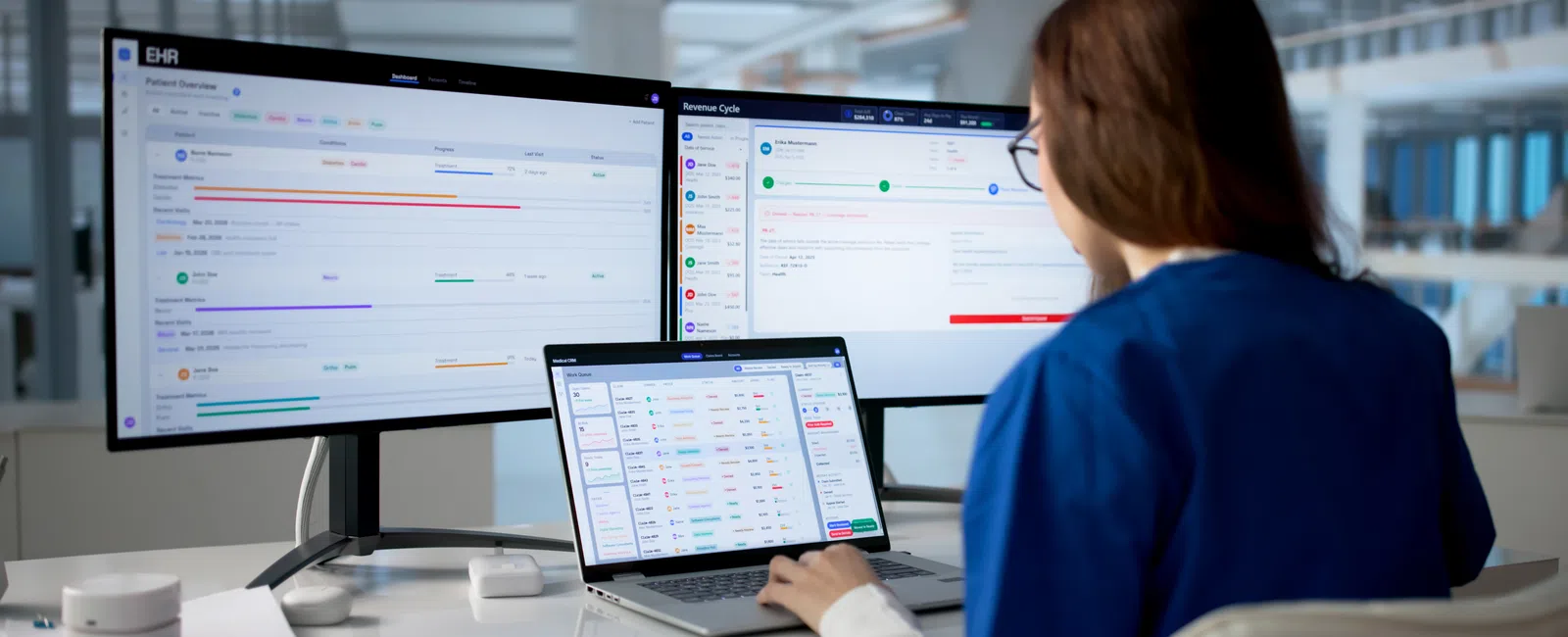
Technology has transformed nearly every aspect of senior living operations. From electronic health records (EHRs) and nurse call systems to access control and security platforms, today's communities rely on a growing number of digital tools to support resident care, improve safety, and streamline operations. However, many senior living facilities still face a major challenge: these systems often operate in silos.
A nurse call platform may not communicate with the electronic health record system. Access control logs may be stored separately from resident information. Staff may be forced to manually transfer information between multiple applications throughout the day. While these disconnected systems may seem manageable, they often create inefficiencies, response delays, compliance risks, and unnecessary administrative burdens. As senior living organizations continue adopting new technologies, IT integration is becoming just as important as the systems themselves.
The Problem with Disconnected Systems
Most senior living facilities have added technology over time. A nurse call system may have been installed years ago. The EHR platform may have been introduced later. Access control systems, surveillance cameras, VoIP phones, and cloud applications may have been added at different points by different vendors.
The result is often a patchwork of systems that don't communicate effectively. When critical platforms operate independently, staff members are forced to bridge the gap manually. In an industry where resident care and safety are top priorities, these inefficiencies can have significant consequences.
Integrated systems allow information to flow securely between applications, helping staff access the right data at the right time. When nurse call systems, access control solutions, and EHR platforms work together, organizations can create a more connected environment that improves both care delivery and operational efficiency. The benefits extend beyond convenience. Let's look at how each system contributes to the larger technology ecosystem.
Nurse Call Systems: More Than Emergency Alerts
Nurse call systems are often one of the most critical technologies within a senior living community. Residents rely on these systems to request assistance, report emergencies, and communicate with caregivers. Yet in many facilities, nurse call events remain isolated from other operational systems. For example, when a resident activates a nurse call device, staff may receive an alert, respond to the request, and document the event separately in the EHR.
This creates unnecessary administrative work and increases the likelihood of documentation gaps. When integrated with resident care systems, nurse call data can automatically support reporting, care tracking, and workflow management.
Benefits of integration include faster response tracking, improved reporting accuracy, reduced manual documentation, better visibility into resident care trends, and enhanced accountability. By connecting nurse call systems with other technologies, facilities can create a more complete picture of resident interactions and care delivery.
Access Control Systems: A Critical Security Tool
Access control systems play an important role in protecting residents, staff, and facility assets.
Modern access control platforms manage entry points, restricted areas, medication storage, employee credentials, visitor management, and ongoing auditing of security. However, many organizations fail to fully leverage the data these systems generate.
When access control systems operate independently, valuable security and operational information remains isolated. Integrated systems can provide deeper visibility into facility activity while helping support compliance and safety initiatives. When combined with other operational systems, access control data becomes significantly more valuable.
EHR Systems: The Central Hub of Resident Information
Electronic health records serve as the foundation for resident care documentation. Care plans, medication records, assessments, notes, and treatment information are often stored within the EHR. Because so many workflows depend on accurate resident information, the EHR should function as a central source of truth throughout the organization.
Unfortunately, many facilities still require staff to manually enter information from disconnected systems into resident records.
Integrated systems reduce these issues by ensuring information flows automatically between platforms whenever possible. The result is better data accuracy and more efficient workflows.
How Disconnected Systems Impact Resident Care
Consider a common scenario: A resident activates a nurse call button. A caregiver responds and provides assistance. The event is documented manually. Later, an administrator reviews reports from a separate system.
At each step, information must be transferred manually between platforms. This introduces opportunities for delays, errors, and incomplete documentation. Now imagine a more integrated environment. The nurse call event is automatically logged. Response times are tracked. Resident records are updated. Managers can access reporting dashboards. Compliance documentation is generated more efficiently.
The entire process becomes faster, more accurate, and easier to manage.
Integration Strengthens Compliance and Risk Management
Senior living organizations face increasing scrutiny regarding resident safety, privacy, and operational accountability. Many compliance initiatives require organizations to demonstrate accurate documentation, incident reporting, security controls, access management, and data protection measures. Disconnected systems often make compliance more difficult because information is scattered across multiple platforms. Integrated environments help centralize data, improve reporting accuracy, and simplify audit preparation. This is particularly important when dealing with sensitive resident information and regulatory requirements.
Building an Integrated Senior Living Technology Strategy
Technology integration doesn't happen overnight. It requires careful planning, infrastructure assessment, and ongoing management. Organizations should evaluate their existing systems, vendor, and network to improve cybersecurity controls and cloud capabilities.
An experienced managed IT provider like BridgePoint Technologies can help identify opportunities for integration while ensuring systems remain secure, reliable, and scalable. Schedule your free consult with us today.