




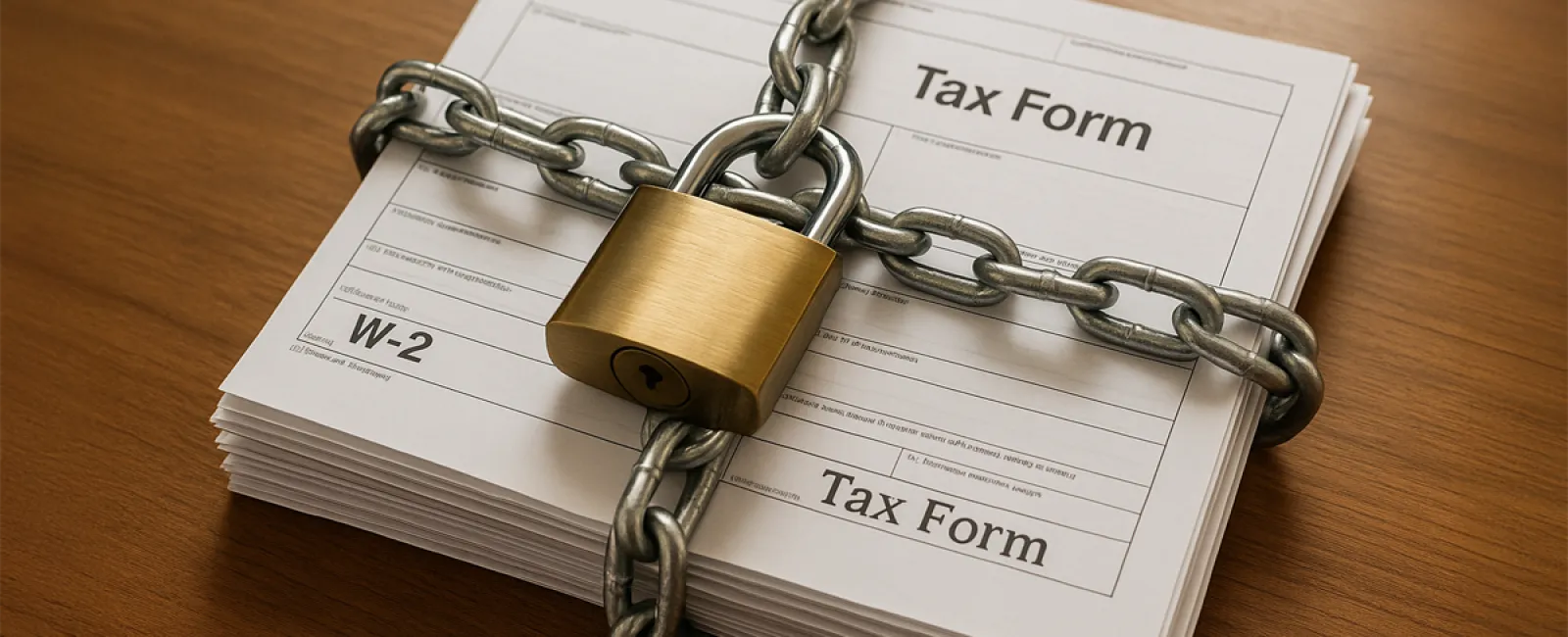
February marks the start of the hectic tax season. Accountants are busier than ever, bookkeepers scramble to gather documents, and everyone is focused on W-2s, 1099s, and looming deadlines.
But here's a twist nobody highlights on any calendar: the real tax season headache often isn't a form — it's a sophisticated scam.
One scam in particular surfaces well before April, targeting small businesses with a cunning, believable approach. It may already be lurking in someone's inbox at your company.
Understanding the W-2 Scam: How It Operates
This is the typical scenario:
An employee responsible for payroll or HR receives an email seemingly from the CEO, owner, or a top executive.
The message is brief and urgent:
"I need copies of all employee W-2s for a meeting with the accountant. Please send them ASAP — I'm swamped today."
The email appears authentic. The tone matches the season's hustle, and the urgent request feels perfectly reasonable.
Consequently, the employee forwards the W-2s.
But the email wasn't from the CEO. It came from a criminal using a spoofed address or a deceptive domain.
Now, that fraudster holds every employee's:
• Full legal name
• Social Security number
• Home address
• Salary details
All the information needed to commit identity theft and file fraudulent tax returns ahead of your employees.
Consequences After the Scam Unfolds
Victims usually discover the breach when:
An employee submits their tax return only to have it rejected with the message: "Return already filed for this Social Security number."
Someone else already filed under their name and claimed the refund.
Your employee ends up tangled with the IRS, credit monitoring services, identity theft protection, and months of stressful paperwork—all because of a document they unknowingly shared.
Imagine this unfolding across your entire payroll — then having to explain how their private data was exposed due to a single deceptive email.
This is no longer just a security glitch; it's a crisis of trust, an HR disaster, a legal risk, and a threat to your company's reputation.
Why This Scam Is Alarmingly Effective
This isn't a crude phishing email from a Nigerian prince. The scam is cleverly disguised and hard to spot.
Its success is due to:
The perfectly timed request—W-2s are expected in February, so no one questions why someone is asking now.
A reasonable ask—it's not an outrageous demand like wiring money or buying gift cards. Sharing W-2s during tax time is routine.
A believable sense of urgency—"I'm slammed today, please send this quickly" feels natural in a busy office.
A genuine-looking sender—criminals research their targets, mimicking the CEO's or accountant's name and email domain, making their requests appear authentic.
A desire to help—employees want to assist their superiors, often responding quickly without pausing to verify.
Essential Steps to Safeguard Your Business Before the Scam Hits
The good news: this scam is entirely preventable with strong policies and a vigilant culture, not just advanced technology.
Implement a strict "no W-2s via email" policy. No exceptions. Sensitive payroll documents should never leave your office through email. If a request comes via email—even if it looks like it's from the CEO—the answer must be "no."
Always verify sensitive requests using a second communication channel—phone calls, face-to-face, or chat. Never rely on replying to the original email and use contact info you have independently, not what is provided in the message. A 30-second verification call can prevent months of trouble.
Hold a focused 10-minute tax-scam briefing now—don't wait. Prepare your payroll and HR teams with knowledge of what these scams look like and how to respond. Awareness acts as inexpensive insurance.
Secure your payroll and HR systems using Multi-Factor Authentication (MFA) for any platform handling employee data. MFA acts as a critical barrier against attackers, even if credentials are compromised.
Create a company culture that rewards verification. Employees who double-check unusual requests should be commended, not dismissed. When vigilance is valued, scammers have no room to operate.
These five straightforward measures are easy to implement immediately and powerful enough to block the initial surge of scams.
Understanding the Larger Tax Season Threat Landscape
The W-2 scam is only the beginning.
From now until April, be prepared for a spike in various tax-related cyberattacks:
• Fraudulent IRS demands for immediate payment
• Phishing campaigns disguised as software updates for tax tools
• Spoofed emails from "accountants" containing dangerous links
• False invoices masquerading as legitimate tax expenses
Cybercriminals target tax season because businesses are distracted, deadlines loom, and financial requests seem routine.
Successful companies aren't just lucky—they're prepared with solid policies, education, and systems designed to detect suspicious activity early.
Is Your Business Fully Prepared?
If you already have firm policies and your team is trained on recognizing threats, you're ahead of most small businesses.
If not, now is the critical moment to act—do not wait for the first attack to strike.
For businesses that want peace of mind, book a 15-minute Tax Season Security Check.
During this quick consultation, we'll review:
• Payroll and HR system access controls and MFA implementation
• Your current W-2 verification policies
• Email security measures to prevent spoofing
• The one key policy adjustment many businesses overlook
Click here or give us a call at 630-895-8208 to schedule your free Consult.
Because tax season is challenging enough without adding identity theft to the mix.